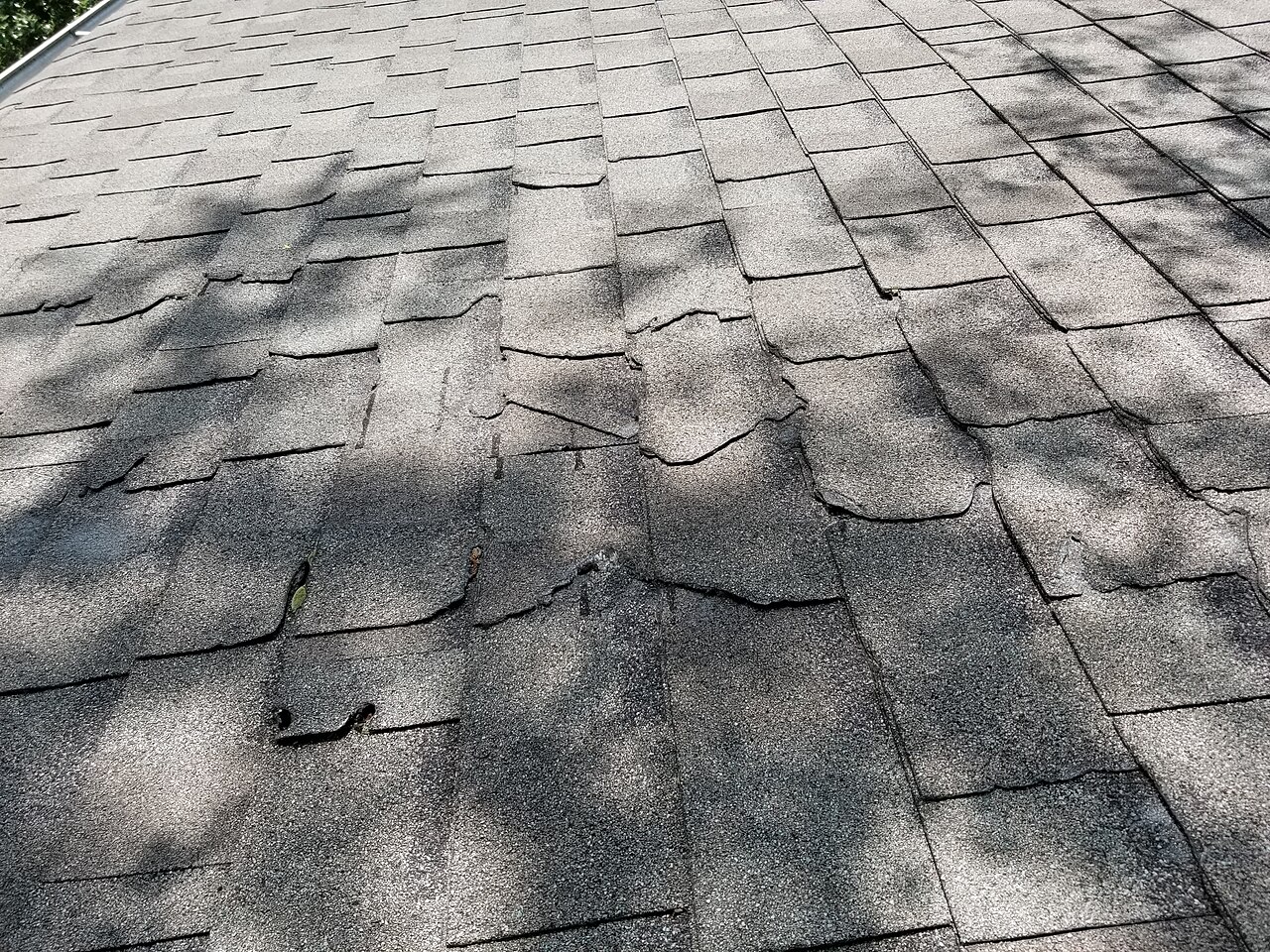
What roof repairs cost in 2026 by problem and material, what insurance covers, and when a repair stops making sense.
Typical cost, labor and materials · single repair · 2026
$400–$1,900most U.S. homes
Enter the total price from your quote.
- Minor, a few shingles
- $150–$1,000
- Moderate, flashing, valley, leak
- $1,000–$3,000
- Major, decking or structure
- $2,000–$6,000+
In this guide
- Cost at a glance
- Cost by problem
- Cost by roof material
- Labor, minimum charges, and access
- Emergency repairs and tarping
- Does insurance cover roof repairs?
- Repair or replace?
- How to spot roof damage
- Warranties
- Example quote: storm-damaged asphalt roof
- How to pick a roofer and get a fair price
- Frequently asked questions
Most homeowners pay $400 to $1,900 to repair a roof in 2026, and the national average roof repair cost is about $1,150. Fixr puts the average at $1,150, and Bob Vila at $1,060 with a typical range of $379 to $1,758. A single vent boot or a handful of loose shingles costs much less, often $75 to $700. Leaks, valleys, and flashing usually run $200 to $1,500, and structural work such as a sagging roof deck can reach $7,000.
Four things set your price: what failed, your roof material, how steep and tall the roof is, and whether the job is an emergency. Once repairs would cost more than half of a new roof, or an older roof keeps leaking, replacement usually wins. If a fallen limb did the damage, our tree removal cost guide covers getting the tree off the house.
Key points
- Most roof repairs cost $400 to $1,900. The national average is about $1,150.
- Minor fixes run $150 to $1,000, moderate repairs $1,000 to $3,000, and major structural work $2,000 to $6,000 or more.
- By problem: vent $75 to $250, shingles $150 to $700, flashing $200 to $600, leak $350 to $1,500, sagging roof $1,500 to $7,000.
- Emergency work adds $100 to $300, and This Old House says it can cost up to twice the normal price.
- Insurance pays for sudden storm damage, not age or neglect. Wind and hail deductibles are often 1% to 5% of your home’s insured value.
- Repair when it costs less than half a new roof and the roof has more than half its life left. Consider replacing when more than 30% of the roof is damaged.
Roof repair cost at a glance
| Item | Typical cost |
|---|---|
| National average repair | About $1,150 |
| Range for most homeowners | $400 to $1,900 |
| Minor repair (a few shingles) | $150 to $1,000 |
| Moderate repair | $1,000 to $3,000 |
| Major repair (decking, structure) | $2,000 to $6,000+ |
| Roofer labor rate | $50 to $120 per hour |
| Emergency surcharge | $100 to $300 |
| Full replacement, for comparison | About $10,000 to $15,400 |
The severity bands come from Fixr. This Old House uses the same $150 to $1,000 for minor work but puts moderate at $1,001 to $2,000 and major at $2,001 to $8,000. Full replacement averages about $10,000 at Fixr and about $15,400 at This Old House.
Roof repair cost by problem
Fixr, Bob Vila, and This Old House agree closely on most items. Your price lands near the top when the roof is steep, the damage is spread out, or the leak source is hard to find.
| Problem | Typical cost | What the job usually involves |
|---|---|---|
| Vent or pipe boot | $75 to $250 | Replacing the cracked boot or vent cover |
| Damaged or missing shingles | $150 to $700 | Replacing individual shingles |
| Flashing | $200 to $600 | Resealing or replacing the metal at joints |
| Chimney flashing | $200 to $500 | New flashing where the chimney meets the roof |
| Roof valley | $350 to $1,000 | Repairing the seam where two slopes meet |
| Skylight leak | $300 to $800 | New flashing and sealing gaps |
| Hole in the roof | $150 to $1,200 | Patching, sized to the opening |
| Roof leak, source unknown | $350 to $1,500 | Tracing the leak, then repairing it |
| Hail or storm damage | $700 to $4,000 | Multiple shingles, flashing, or sections |
| Sagging roof | $1,500 to $7,000 | Structural work on the deck or framing |
The vent, skylight, and hail ranges are identical across all three sources. For valleys, This Old House starts at $300 instead of $350. Fixr’s sagging-roof range is lower, $800 to $5,000, while Bob Vila and This Old House both say $1,500 to $7,000. Fixr also lists tree impact damage at $900 to $6,000 and roof decking at $150 to $1,000.
A leak price includes finding the leak. The stain on your ceiling is often not under the entry point, so a roofer may need to check the attic, the flashing, and the valleys before quoting a fix.
Roof repair cost by material
Flat roofs, wood shakes, and asphalt shingles are the cheapest to repair on average. Tile, slate, and metal cost the most.
| Roof material | Typical repair range (Fixr) | Average repair (Bob Vila) |
|---|---|---|
| Asphalt shingles | $150 to $1,500 | $875 |
| Flat or single-ply | $300 to $1,100 | $400 |
| Wood shakes | $350 to $1,500 | $750 |
| Metal | $500 to $2,000 | $1,600 |
| Clay or concrete tile | $500 to $2,500 | $1,000 |
| Slate | $700 to $3,000 | $1,550 |
This Old House’s averages are close: $975 for asphalt, $400 for flat roofs, and $1,600 for metal. If you have asphalt shingles, compare your quote against the asphalt row.
Labor, minimum charges, and access
- Labor: Fixr puts roofer rates at $50 to $120 per hour, and Bob Vila at $45 to $75 for leak repairs. Fixr says labor is at least 60% of a typical repair and up to 90% when few materials are needed.
- Minimum service charge: Some roofers bill a minimum trip or service fee even for a small fix. None of the cost guides we checked publish a national figure, so ask before anyone climbs a ladder. The cheapest jobs in the guides start at $75 for a vent and $150 for minor shingle work.
- Roof inspection: $125 to $325 at Bob Vila, and $100 to $600 at This Old House. Ask whether the fee is credited if you hire the company.
- Permit: $70 to $250 at Fixr, and $75 to $250 at This Old House. Ask your city whether a small repair needs one. Under the 2021 IRC (R105.2.2), where adopted, ordinary repairs are exempt from a permit, but cities set their own line, many require one for a full re-roof, and the work still has to meet the roofing chapter. In Florida, for example, a job that repairs or replaces 25% or more of a roof section has to bring that work up to the current Florida Building Code (s. 553.844).
- Height, pitch, and access: Steeper, taller, and multi-story roofs cost more because crews need safety equipment and extra time. OSHA requires fall protection for roofers working 6 feet or more above a lower level (29 CFR 1926.501), so harnesses, anchors, and the time to set them are part of a steep-roof quote. This Old House says slopes steeper than 8/12 can add $1,000 to $3,000 in labor on a full replacement, so expect a smaller but real premium on a repair.
- Season: Bob Vila says off-season repairs can cost 10% to 15% less. This Old House says late spring to early fall is the busy, pricier season.
Because most of the price is labor, a tiny repair is mostly a roofer’s time and trip. If your leak is minor and not urgent, bundling several small fixes into one visit can cost less than separate calls.
Emergency repairs and tarping
Same-day and after-hours work costs more. Fixr, Bob Vila, and This Old House all list a surcharge of $100 to $300 on top of the normal repair price. Bob Vila says a winter storm can raise the price by up to 100%, and This Old House says emergency leak repair can cost up to twice as much as a regular repair.
A tarp is the usual stopgap until a permanent repair. Ask for the tarp price in writing before work starts, because large roofs and after-hours calls cost more. After a presidentially declared disaster, FEMA can task the Army Corps of Engineers with Operation Blue Roof, which installs free plastic sheeting on primary homes and permanently occupied rentals that have standard shingle roofs and less than 50% structural damage; you sign a Right of Entry form, and flat, slate, and clay tile roofs do not qualify. It only runs for specific disasters, so check the Army Corps’ Blue Roof page or FEMA.gov before counting on it.
While you wait, check the attic for the wet spot, put buckets under drips, and move belongings away from the stain. If water reaches wiring or lights, shut off power at the breaker first. Leave the climbing to a pro. The National Roofing Contractors Association advises against DIY roof repairs, and This Old House warns that walking on a damaged roof can worsen the damage and hurt your insurance claim.
Does insurance cover roof repairs?
It depends on the cause. According to the Insurance Information Institute, homeowners policies typically cover roof damage from a covered peril such as wind, hail, or falling trees. Fixr and Bob Vila both say damage from old age, poor maintenance, or neglect is usually not covered. A roof that has simply worn out and started to leak is your cost.
Three policy details change what you get:
- Actual cash value: Some policies pay replacement cost minus depreciation. The Institute says the deduction can be significant on an old, worn roof, and that most insurers require roofs over 20 years old to pass an inspection.
- Wind and hail deductibles: They are usually a percentage of your home’s insured value, typically 1% to 5%, not a flat amount. How they are written depends on your state’s insurance rules, and hurricane-prone states add a separate hurricane deductible. Your declarations page shows yours.
- Small repairs: Many repairs cost less than the deductible, so there is nothing to claim.
For example, a home insured for $300,000 with a 1% wind and hail deductible has a $3,000 deductible. A $2,500 shingle repair would not trigger a payout. Photograph the damage before any cleanup, ask your agent how a claim could affect your renewal, and never rely on a contractor to tell you what your policy covers. Report storm damage promptly: your policy sets a deadline, and some states do too, such as Florida, where a new claim reported more than one year after the date of loss is barred (s. 627.70132).
Repair or replace?
Fixr’s rule: repair when the roof has no ongoing problems, the repair costs less than half of a full replacement, and more than half of the roof’s life remains. Consider replacing when a roof over 15 years old keeps having problems. This Old House adds a second test: consider replacement when more than 30% of the roof is substantially damaged. Roofs typically last 20 to 30 years, according to RealHomes.
| Situation | Repair cost | Verdict |
|---|---|---|
| 9-year-old roof, 20 shingles blown off | $450 | Repair it |
| 10-year-old roof, leak at a valley | $900 | Repair it |
| 17-year-old roof, third leak in two years | $1,500 | Get replacement quotes |
| Hail damage across 40% of the roof | $4,000+ | Replace it |
| 22-year-old roof with a sagging deck | $5,000 | Replace it |
Patching has limits. In a RealHomes interview, a roofing professional warned that working new shingles into old ones piecemeal can cause failure down the road. If a pro finds water has reached the decking or insulation, ask for a repair quote and a replacement quote side by side. Count the layers too: under the 2018 and 2021 IRC (R908.3.1.1), where adopted, a roof that already has two layers of shingles cannot take a third, so replacement means a full tear-off and a higher replacement quote.
How to spot roof damage
Bob Vila lists these warning signs. Check them from the ground and the attic, not from the roof:
- Missing, curled, or wet shingles, and shingle granules in the gutters.
- Water stains on ceilings or walls, and daylight showing through the attic.
- Wet or rotting boards in the attic, and a sagging roof deck.
- Clogged gutters, which can invite pests and push water toward the walls. Water that spills beside the house can also reach the foundation, which our foundation repair cost guide covers.
- Energy bills that climb while your usage stays the same. Rule out your heating and cooling first, and see our AC replacement cost guide if that system is old.
Warranties
Two warranties may apply. The shingle manufacturer’s warranty covers materials. The roofer’s workmanship warranty covers the labor. NRCA says to read each warranty and understand what voids it, so ask whether a repair by another company affects your existing coverage. Bob Vila adds that a home warranty can cover roof wear and tear as an add-on, though it typically does not pay for a full replacement.
Example quote: storm-damaged asphalt roof
Here is an illustrative breakdown for a 12-year-old asphalt roof after a windstorm, with a leak near the chimney. Your quote will be organized differently, but it should cover the same items.
| Line item | Cost |
|---|---|
| Leak inspection and attic check | $150 |
| Replace 25 damaged shingles, new underlayment patch | $450 |
| Chimney flashing replaced and sealed | $350 |
| Pipe vent boot replaced | $150 |
| One sheet of rotted decking replaced | $300 |
| Debris cleanup and disposal | $100 |
| Total | $1,500 |
At $1,500, this lands inside the $400 to $1,900 range, and every line sits inside the published range for its problem. At that price, a percentage deductible could easily exceed the repair, so a claim may pay nothing.
How to pick a roofer and get a fair price
- Get at least three written quotes. Repair scope varies, so make sure each quote covers the same work.
- Hire a licensed and insured roofer. The FTC says to consider only licensed and insured contractors, and to confirm the license with your state or county. Roofing licenses are a state matter, not federal, and some states have no roofing license at all, so check your state licensing board and, if it lists none, your city or county registration. The NRCA says to ask for copies of liability and workers’ compensation certificates and confirm both stay active for the whole job. Bob Vila suggests asking what happens if an employee falls from your roof.
- Insist on a written proposal. It should describe the work and materials, start and completion dates, payment terms, and warranty. The FTC says to avoid blank spaces someone could fill in later.
- Ask for references and call them. NRCA also suggests checking the local Better Business Bureau for complaints.
- Be wary of the lowest bid. NRCA says price is only one factor.
- Beware of storm chasers. NRCA warns about contractors who approach homeowners door to door after severe weather. The FTC adds: do not pay cash up front, pay by credit card or check, never sign an insurance check over to a contractor, and expect a written three-day right to cancel if you sign at home. That right comes from the FTC’s Cooling-Off Rule (16 CFR 429) and covers sales of $25 or more made at your home, but not a true emergency repair you called for and waived in writing, so an emergency tarp job may not come with it. Several states, including Texas, Minnesota, and Missouri, also make it illegal for a roofer to promise to pay, waive, or absorb your insurance deductible, and a Texas insurer can hold back part of the payout until you show you paid it (Texas Department of Insurance). Treat a “free roof” offer as a red flag anywhere.
- Ask about the pitch premium, the minimum charge, and whether the inspection fee is credited. Those are common places where quotes differ.
Frequently asked questions
How much does it cost to fix a leaking roof?
Most leak repairs cost $350 to $1,500 at Fixr, and Bob Vila’s range is nearly the same, $360 to $1,550. Fixing a bad vent boot or flashing is at the low end, and a leak that has rotted the decking pushes toward the top.
How much does it cost to replace a few shingles?
Replacing damaged or missing shingles usually costs $150 to $700, and Bob Vila’s range tops out at $800. A one- or two-shingle fix is still a service call, so ask the roofer about the minimum charge.
Will homeowners insurance pay for my roof repair?
Only if sudden damage from a covered peril, such as wind, hail, or a falling tree, caused it. Wear, age, and neglect are generally excluded, and your deductible has to be lower than the repair cost for a claim to pay anything.
How long does a roof repair take?
This Old House says a minor repair takes a few hours. Larger repairs, such as decking or a sagging section, can take a day or more, and weather can delay any job.
When is a roof beyond repair?
Consider replacement when repairs cost more than half of a new roof, more than 30% of the roof is damaged, or a roof over 15 years old keeps leaking. A roofer’s inspection can confirm which side of the line you are on.
Should I repair a roof leak myself?
Catch the water inside and call a pro for the roof itself. NRCA advises against doing roof repairs yourself, and a fall or a botched patch can cost more than the repair.
Last reviewed: October 31, 2026. Costs are estimated ranges compiled from published cost guides, manufacturer information, and government sources. Your quote will depend on your home, your location, and the contractor you hire. Photo: Samuel Bolton, CC BY-SA 4.0. Read our editorial policy and disclaimer.